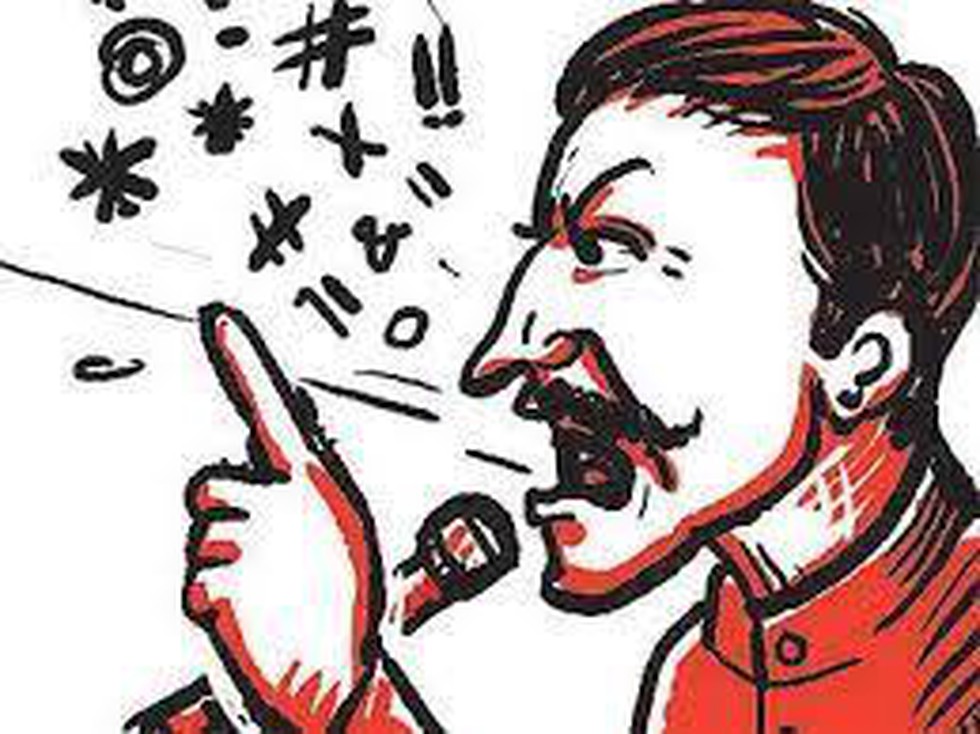
Article 19(1)(a) of the Constitution of India confers upon the citizens of the country, the right to freedom of speech and expression. The ability to express our opinion and speak freely is essential to bring about change in society. However, striking a balance between freedom of expression and prohibition of hate speech is a complex challenge.
What is Hate Speech?
The Constitution of India and its hate speech laws aim to prevent discord among its many ethnic and religious communities. The laws allow a citizen to seek the punishment of anyone who shows the citizen disrespect “on grounds of religion, race, place of birth, residence, language, caste or community or any other ground whatsoever”. The laws specifically forbid anyone from outraging someone’s “religious feelings”. However the term ‘Hate Speech’ is not defined under Indian law. Unlike England, South Africa, Canada, and other western European nations, there is a dearth of any specific legislation on these Hate Speech in India. There are various provisions of Indian Penal Code, 1860 and Representation of the People Act, 1951 that try to provide punishment and relief against hate speech.
Provisions under Indian Laws
Under Indian Penal Code, 1860:
· Section 153A; penalizes promoting enmity between different groups on grounds of religion, race, place of birth, residence, language, etc., and doing acts prejudicial to maintenance of harmony.
· Section 153B; penalizes imputations, assertions prejudicial to national integration.
· Section 295A; penalizes injuring or defiling place of worship with intent to insult the religion of any class.
· Section 298; penalizes uttering, words, etc., with deliberate intent to wound the religious feelings of any person.
· Section 505 (1) & (2); penalizes publication or circulation of any statement, rumor or report causing public mischief and enmity, hatred or ill-will between classes.
Under Representation of People Act, 1951:
· Section 8 disqualifies a person from contesting the election if he/she is convicted for indulging in acts amounting to the illegitimate use of freedom of speech and expression.
· Section 123(3A) and section 125 prohibits promotion of enmity on grounds of religion, race, caste, community or language in connection with election as a corrupt electoral practice and prohibits it.
Dark Side of Indian Politics
If you ask ten people as to what a clean election is, there will be ten different responses but amongst all, people insist on ‘clean candidates’ for the elections to be effective. Being the largest serving democracy, the elections do take place duly but every single time the purpose is not met. It is one of the disturbing features of India’s electoral democracy where candidates with tainted and tarnished image emerge out as the winners of these elections and we fail to have good leaders to take us forward and to keep at par with the other progressing States.
Conclusion
The political parties continue to field such candidates despite having serious criminal records against them. With the same MPs and MLAs contesting the elections again would be like old wine in new bottles. Therefore, candidates with past records of criminal charges must not be accepted. It is also necessary for media to play a pro-active role in disseminating information and making more and more people aware of their candidates to enable them to make a wise choice for a better tomorrow. If we really want to witness some changes, there is a need to identify the right people to stand for elections for a good governance.
 Politics: A Game of Chess